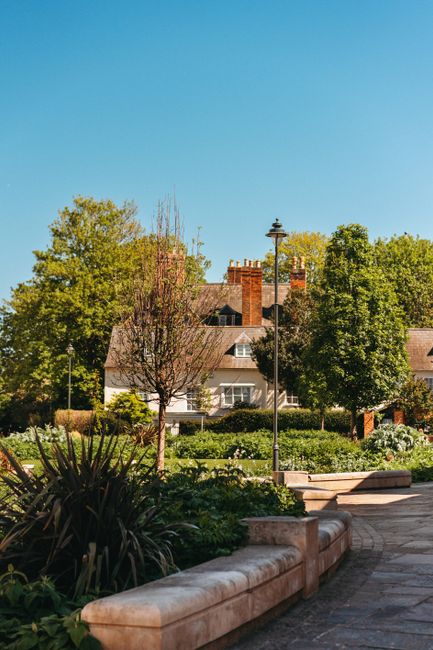
Top garden services for Brent Cross Village estates
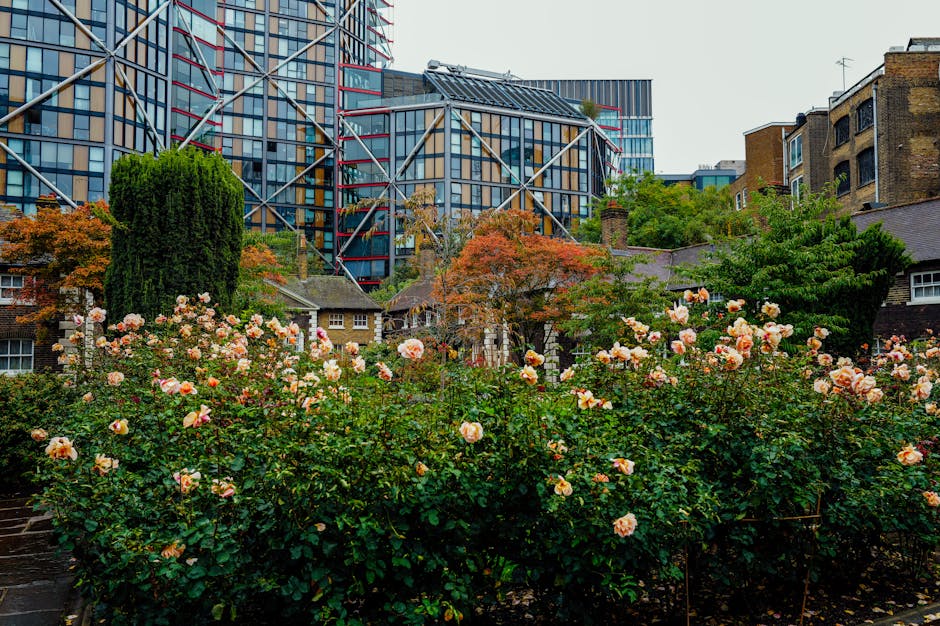
Brent Cross Village estates deserve gardens that look calm, cared for, and quietly impressive all year round. Not flashy. Just well kept, resilient, and easy to enjoy on a Tuesday evening after work or a damp Saturday morning when the lawn is still holding a bit of dew. The right garden services can make that happen without turning upkeep into a constant chore. In this guide, we look at the top garden services for Brent Cross Village estates, what they actually cover, how to choose them, and where the real value sits for homeowners, landlords, and estate managers.
If you have ever stood in the garden thinking, "It needs doing, but where do I even begin?", you are in the right place. We will break down the practical services that matter most, including routine maintenance, hedge trimming, lawn care, tree work, patio cleaning, and landscaping, with a few sensible pointers on safety, compliance, and long-term planning along the way.
Why Top garden services for Brent Cross Village estates Matters
Estate gardens are a different beast from one-off domestic plots. They need consistency, tidy edges, reliable access, and enough flexibility to handle everything from overgrown borders to wet-weather wear and tear. In a place like Brent Cross Village, where appearance matters and communal spaces are seen every day, the garden quietly shapes the whole feel of the estate.
Good garden services do more than "make things neat". They protect planting schemes, reduce trip hazards, support healthy lawns, keep hedges from becoming a privacy problem, and stop small issues turning into expensive work later. A blocked drainage strip under leaves or a hedge left to run wild for one season can create more hassle than people expect. Truth be told, gardens often look simple only because someone is working hard behind the scenes.
There is also a practical side that residents notice immediately: clearer paths, less mess on hard landscaping, better light, and outdoor spaces that feel usable instead of avoided. That matters for families, pet owners, older residents, and anyone who wants the estate to feel cared for rather than merely maintained.
If privacy is a concern, planting and pruning choices matter too. For a deeper look at how living boundaries can work, see trees, hedges and shrubs for privacy. It is one of those topics that sounds straightforward until you start planning heights, spread, light levels, and maintenance cycles.
How Top garden services for Brent Cross Village estates Works
At its best, estate gardening works in a rhythm. The site is assessed, a plan is agreed, and the right tasks are scheduled across the year. Some jobs are weekly or fortnightly, while others happen seasonally or only when needed. The point is not to do everything at once. The point is to keep the outdoor space in balance.
A typical service structure might include:
- Routine garden maintenance for borders, beds, leaf clearance, and general tidying.
- Lawn mowing and lawn care to keep communal grass healthy and presentable.
- Hedge trimming for boundary control, shape, and privacy.
- Tree surgery where trees need pruning, reduction, or safety-led work.
- Patio cleaning to remove algae, dirt, and seasonal staining.
- Landscaping for bigger redesigns, planting refreshes, or improvements to underused areas.
- Fencing and edging support where outdoor boundaries or structure need attention.
For Brent Cross Village estates, the best approach is usually a mix rather than a single service. A neat lawn on its own does not fix an ivy invasion. A beautifully trimmed hedge does not solve a tired patio. You need the whole picture.
One reason people choose professional help is the way tasks feed into each other. For example, trimming hedges properly reduces shading on the lawn. Better lawn care improves the look of the border edge. Patio cleaning makes planting areas stand out more. Small domino effect, big visual difference.
If you want to understand the hedge side of things in more detail, the local guide on hedge trimming in Brent Cross is a useful companion read.
Key Benefits and Practical Advantages
The benefits of a strong garden service plan go beyond appearance, although appearance is certainly part of it. A tidy estate garden feels safer, more welcoming, and easier to manage in the long run. That may sound obvious, but the effect is real.
- Better first impressions: Clean edges and healthy planting make communal spaces feel looked after.
- Lower long-term maintenance strain: Regular work prevents big seasonal catch-up jobs.
- Improved safety: Clear paths and trimmed growth reduce slips, hidden obstructions, and low visibility.
- Healthier planting: Correct pruning and soil care support stronger growth.
- More usable outdoor space: Residents are more likely to use gardens that feel open and comfortable.
- Better privacy and screening: Smart hedge and shrub management helps create quieter, more sheltered areas.
- Stronger asset value: Well-kept grounds support the overall feel of a development.
There is also a less talked-about benefit: peace of mind. If you know the garden is being monitored and handled properly, you stop worrying about what is overgrowing behind the bike shed or whether the front border is slowly turning into a weed patch. It is a small relief, but a meaningful one.
For estate managers and landlords, there is a management benefit too. A reliable service schedule makes budgeting and planning simpler. Fewer surprises. Fewer emergency callouts. Less back-and-forth.
Who This Is For and When It Makes Sense
These services are a strong fit for anyone responsible for shared or high-visibility outdoor space in Brent Cross Village. That includes private homeowners with larger gardens, residents' associations, landlords, property managers, and anyone looking after communal plots, access routes, or shared landscaped areas.
It makes especially good sense when the garden is:
- becoming hard to keep up with on your own
- too large for occasional DIY maintenance
- showing signs of compaction, patchiness, or weed pressure
- affected by overgrown hedging or trees
- being used more often by families, visitors, or residents
- in need of a reset after a neglected period
Sometimes the tipping point is practical rather than aesthetic. Maybe spring arrived, then suddenly the borders exploded. Maybe winter left the paths green and slick. Or maybe the estate just needs a more polished, calmer look because people are moving through it daily. Any of those is reason enough.
If a garden has slipped a bit, that is normal. A good starting point is often a reset and tidy-up, not a full redesign. The article on where to begin with neglected gardens is genuinely useful if you are facing that exact scenario.
Step-by-Step Guidance
Here is a practical way to approach garden services for Brent Cross Village estates without overcomplicating it.
- Walk the site properly. Look at lawns, borders, hedges, trees, hard surfaces, fences, access routes, and any awkward shaded or exposed areas.
- Separate urgent tasks from routine ones. Safety issues come first. Cosmetic improvements can follow.
- Define the goal. Is the garden meant to look formal, relaxed, private, family-friendly, low-maintenance, or all of the above?
- Choose the right service mix. Most estates need maintenance plus one or two specialist services, not a complete overhaul.
- Schedule seasonally. Spring growth, summer cutting, autumn clearance, and winter protection each ask for different work.
- Review access and storage. Paths, gates, bins, and tool access matter more than people think. If the team cannot move around properly, quality drops.
- Set a maintenance rhythm. Weekly, fortnightly, monthly, and seasonal tasks should each have a place.
- Check results against the original brief. Does the space actually feel better to use, or merely tidier on paper?
A lot of problems come from skipping step one and jumping straight into mowing. Fine if you only need a quick cut, but not ideal for an estate that needs genuine care.
And yes, sometimes the hardest part is simply starting. Once the first round is done, everything feels lighter. You can almost hear the place breathe again.
Expert Tips for Better Results
The best garden results usually come from small, disciplined choices repeated over time. Nothing glamorous. Just the basics done well.
- Use hedge cuts to solve a function, not just a look. Think privacy, light, boundary clarity, and growth habit together.
- Do not let lawns drift into different heights. Uneven cutting across communal areas looks untidy fast.
- Match planting to the site. Shade, wind, dry soil, and foot traffic all change what will thrive.
- Keep hard landscaping in the plan. Patio cleaning and edging sharpen the whole space, especially after wet months.
- Watch for ivy and climber creep. It can add charm, but unchecked growth is rarely charming for long.
- Think in zones. Entrance areas, private corners, play-adjacent spaces, and quiet seating spots need different treatment.
- Build in winter resilience. The garden you want in June starts with what you do in November.
A useful tip from experience: do not let the "pretty" tasks overshadow the structural ones. Everyone loves flowers. Fewer people love fixing a failed edge or an overextended hedge, but that is where the long-term quality lives.
For ideas on making garden boundaries denser and more useful, take a look at rapid hedge growth for privacy. And if your planting scheme needs softer ground-level texture, ground cover plant ideas can help reduce bare soil and visual gaps.
Common Mistakes to Avoid
Even well-intentioned garden care can go sideways if it is not planned properly. The usual mistakes are predictable, which is annoying, because they are also avoidable.
- Cutting too hard, too often: Over-trimming hedges and shrubs can weaken the plant and spoil its shape.
- Ignoring seasonality: Some work is best timed; doing it at the wrong point can create stress or weak regrowth.
- Using one-off fixes for recurring issues: If weeds keep returning, the answer is not just another quick pull.
- Leaving debris behind: Clippings, leaves, and moss make a tidy garden feel unfinished.
- Underestimating drainage and shade: If an area stays damp, the maintenance plan needs to reflect that.
- Forgetting users: A beautiful space that is awkward to move through is still awkward.
Another big one: treating every garden like a private suburban lawn. Estate spaces need more coordination, more consistency, and often more practical thinking. That is not a flaw. It is just the reality of shared grounds.
When in doubt, start with the problem that affects use, safety, or structure. The pretty stuff can wait a week. Or two.
Tools, Resources and Recommendations
Good garden services rely on the right tools and a sensible working method. You do not need a shed full of gadgets, but you do need equipment that fits the job.
Useful tools and resources often include:
- quality lawn mowers for regular cutting
- hedge trimmers for shaping and boundary maintenance
- pruning saws and loppers for thicker woody growth
- leaf blowers or rakes for seasonal clearance
- pressure or patio cleaning equipment for hard surfaces
- soil improvers and mulch for beds and borders
- basic edging tools for clean lines
If you are the sort of person who likes to know what goes into good garden work, the guide on essential outdoor gardening tools is a handy read. It keeps things practical rather than fancy.
For a more design-led angle, these resources may also help:
- vertical gardening ideas for tighter spaces
- hedge trimming shapes for a more polished look
- garden seating design if residents use the space for relaxing
If a space has become cluttered, tired, or half-finished, a structured clean-up and reset can be the most sensible first move. That is especially true on estates where people expect the garden to look good every day, not just after a big tidy-up weekend.
Law, Compliance, Standards, or Best Practice
For estate gardening, compliance is mostly about working safely, respecting access, and following sensible professional standards. This is not the place for guesswork. It is the place for methodical work, proper risk awareness, and clear communication.
In practice, that usually means:
- carrying out risk assessments before substantial work
- using suitable protective equipment where needed
- keeping walkways clear during and after maintenance
- handling cutting and tree work carefully, especially near buildings or shared paths
- making sure waste is removed or managed appropriately
- being mindful of noise, timing, and resident access
Where trees or larger woody growth are involved, specialist judgment matters. Not every branch needs removal. Not every tree needs reduction. Good practice is about understanding the plant, the site, and the purpose of the work. It is not just about making it smaller.
For readers who want a practical sense of safety planning, the site's health and safety policy and insurance and safety guidance are useful points of reference. If severe weather has been a concern, the article on garden safety during severe weather is worth a look too.
There are also wider expectations around communication, transparency, and complaint handling on managed sites. Good providers should be clear about scope, timing, and what happens if a job changes once work begins. That sort of clarity saves everyone a headache later.
Options, Methods, or Comparison Table
Different estates need different approaches. A smaller managed block may only need regular upkeep. A bigger, more planted development may benefit from a fuller service mix. Here is a simple comparison to help you think it through.
| Service type | Best for | Main advantage | Watch out for |
|---|---|---|---|
| Routine garden maintenance | Ongoing estate care | Keeps the whole site consistently tidy | Can be too light if growth is vigorous |
| Lawn mowing and lawn care | Communal grassed areas | Improves appearance and usability quickly | Needs proper timing and mowing height |
| Hedge trimming | Boundaries and screening | Controls height, shape, and privacy | Over-cutting can damage structure |
| Tree surgery | Safety-led tree work | Manages risk and supports tree health | Should be done by competent specialists |
| Patio cleaning | Hard landscaping | Instantly lifts the feel of shared areas | Needs care on delicate surfaces |
| Landscaping | Refurbishment or redesign | Improves layout, planting, and flow | Costs and timescales vary more widely |
If you are trying to decide between ongoing maintenance and a one-off improvement, ask a simple question: is the main problem upkeep, design, or safety? That answer usually points you in the right direction.
Case Study or Real-World Example
Imagine a Brent Cross Village communal garden that looked fine from a distance but felt messy up close. The grass had a few bare patches. The hedge line was starting to intrude on the path. Leaves had gathered near the patio. Nothing dramatic, just enough to make the space feel neglected.
The first pass focused on the basics: mowing, edging, clearing debris, and a controlled hedge trim. That alone changed the feel of the place. The paths opened up. Light returned to the border. Residents started using the seating area again, which is usually the moment you know the work mattered.
Next came a light planting refresh with a few low-maintenance choices and a better mulch layer. Not flashy, not expensive-looking for the sake of it. Just calmer and more coherent. The patio was cleaned, and the entrance strip was made crisp enough that the whole garden suddenly looked intentional.
That is the thing people often miss: you do not always need a grand redesign. Sometimes a tidy sequence of practical jobs gives you 80 percent of the improvement with far less disruption. And everybody appreciates that, especially in a shared estate setting where people just want the place to feel looked after.
For a few budget-conscious ideas that can support this kind of reset, see low-maintenance budget garden ideas. They pair well with estate work where durability matters more than novelty.
Practical Checklist
Use this checklist when reviewing garden services for Brent Cross Village estates:
- Have we identified the most urgent safety or access issues?
- Do we know which areas need weekly, monthly, or seasonal attention?
- Are lawns, hedges, and borders being managed as one system?
- Do we need tree work or just lighter pruning?
- Are patios, paths, and seating areas included in the plan?
- Have we thought about privacy, shade, and resident use?
- Is waste removal or green waste handling covered?
- Are timings practical for residents and visitors?
- Is there a clear point of contact if something changes?
- Does the service match the estate's look and upkeep goals?
A small aside, but an important one: if a provider cannot explain the difference between routine maintenance and reactive fix-up work, that is a bit of a warning sign. Not always a deal-breaker, but worth noting.
Conclusion
The top garden services for Brent Cross Village estates are the ones that keep outdoor spaces looking settled, safe, and easy to live with. That usually means a smart blend of garden maintenance, lawn care, hedge trimming, patio cleaning, landscaping, and, where needed, tree surgery or fencing support. The right combination depends on how the estate is used, how quickly growth changes through the year, and how much polish the space needs day to day.
Done well, garden care is not just maintenance. It is part of how an estate feels. Calmer. Cleaner. More welcoming. Better looked after. And yes, a bit easier to be proud of when you walk past it on a grey morning with your coffee in hand.
If you are planning a refresh, a routine schedule, or a more involved outdoor improvement, the sensible next step is to talk through the site properly and get a clear plan in place.
Get a free quote today and see how much you can save.
Sometimes the smallest improvements make the whole place feel lighter. That is usually where the good gardens begin.
Frequently Asked Questions
What are the best garden services for Brent Cross Village estates?
The most useful services are usually routine maintenance, lawn care, hedge trimming, patio cleaning, landscaping, and tree work where needed. Most estates benefit from a mix rather than a single service.
How often should estate gardens be maintained?
It depends on growth, season, and how public the space is. Many communal gardens work best with weekly or fortnightly attention for tidying, plus seasonal work for bigger jobs.
Is lawn care different from lawn mowing?
Yes. Mowing is the cut itself, while lawn care covers feeding, weed management, scarifying, aeration, and general health. A lawn can be cut often and still be unhealthy if care is ignored.
Do Brent Cross Village estates usually need hedge trimming?
In most managed estates, yes. Hedges affect privacy, light, boundary definition, and the overall sense of order. Let them run too long and they can start causing practical problems.
When is the best time to tidy a neglected garden?
Any time is better than waiting, but a reset often works best when the garden is clearly overgrown or difficult to use. A good first tidy makes it easier to see what needs proper attention next.
Can landscaping help if the garden feels awkward or underused?
Absolutely. Good landscaping can improve movement, define zones, add seating areas, and make tricky spaces more useful. Even small changes can make a big difference.
Do I need tree surgery or just pruning?
If branches are large, unsafe, interfering with structures, or the tree needs more than light shaping, tree surgery may be the better route. If in doubt, it is worth having the site assessed carefully.
How do I keep communal gardens looking neat between visits?
Keep paths clear, remove litter quickly, and avoid letting borders or hedges drift too far between scheduled visits. Consistency matters more than occasional big efforts.
Is patio cleaning worth including in a garden maintenance plan?
Usually, yes. Dirty patios and paths can make a garden feel tired even when the planting is fine. A clean hard surface lifts the whole space more than people expect.
What should I look for in a garden service provider?
Look for clear communication, a sensible maintenance plan, appropriate safety practices, and a realistic understanding of what the site needs. If they ask thoughtful questions, that is a good sign.
Can a low-maintenance planting scheme still look attractive?
Definitely. In fact, some of the best estate gardens use durable planting, good structure, and simple seasonal changes. The aim is not to be high-effort; the aim is to be well designed.
What if the garden has privacy problems from neighbouring buildings?
That is common in mixed residential settings. A combination of hedges, shrubs, climbers, and thoughtful planting can improve screening without making the space feel boxed in.
Where can I learn more about garden services and related care?
Useful next reads include garden maintenance, lawn care, landscaping, and about us if you want a broader sense of how the service approach is structured.